When these two departments operate in silos, friction becomes inevitable. This misalignment leads to inaccurate forecasting and the type of budget surprises that keep CFOs awake at night. Conversely, Marketing teams need the agility to react to market forces without being paralyzed by manual reporting duties.
The solution lies in a unified toolset that breaks down barriers and fosters total visibility across both sides of the table.
The End of "Black Box" Marketing Spend
The era of "black box" spending is over. When a CFO asks exactly where a $500,000 investment went and what it returned, the answer should be immediate and data-backed. At Q:chi, we believe Marketing should never be viewed as a cost center. Instead, it should be recognized as a company's most accountable growth engine.
By synchronizing these two departments, businesses can transform tension into a competitive advantage. Here is how alignment changes the game:
1. Establishing Audit-Ready Insights
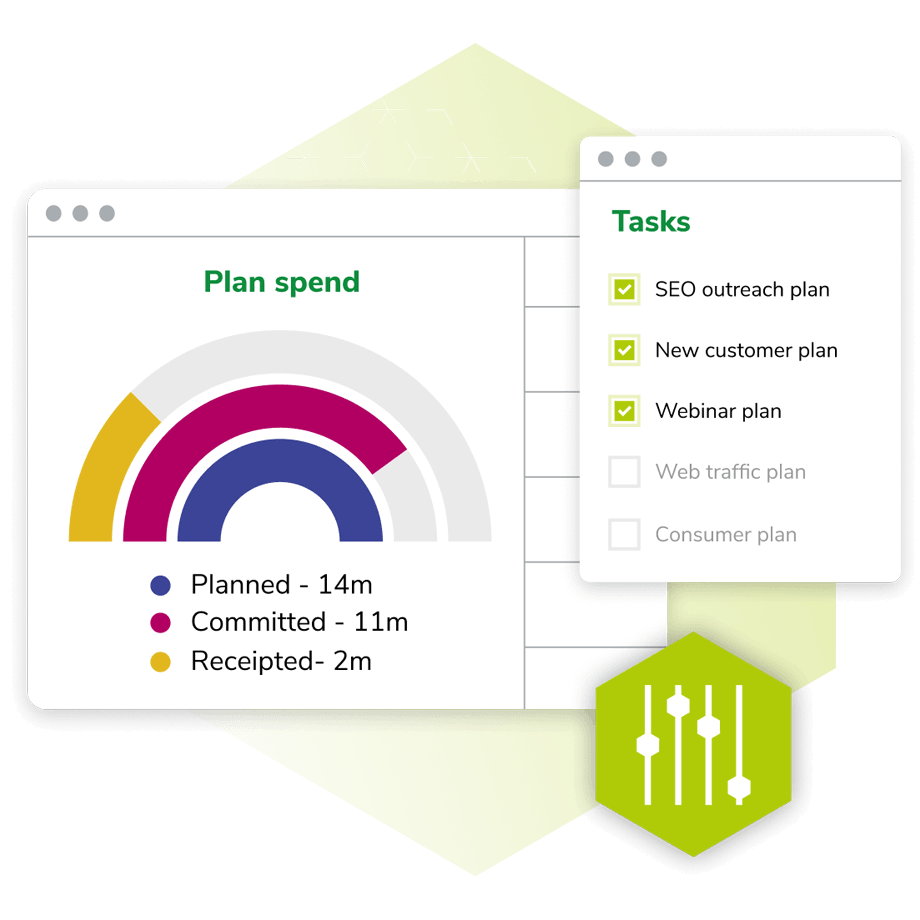
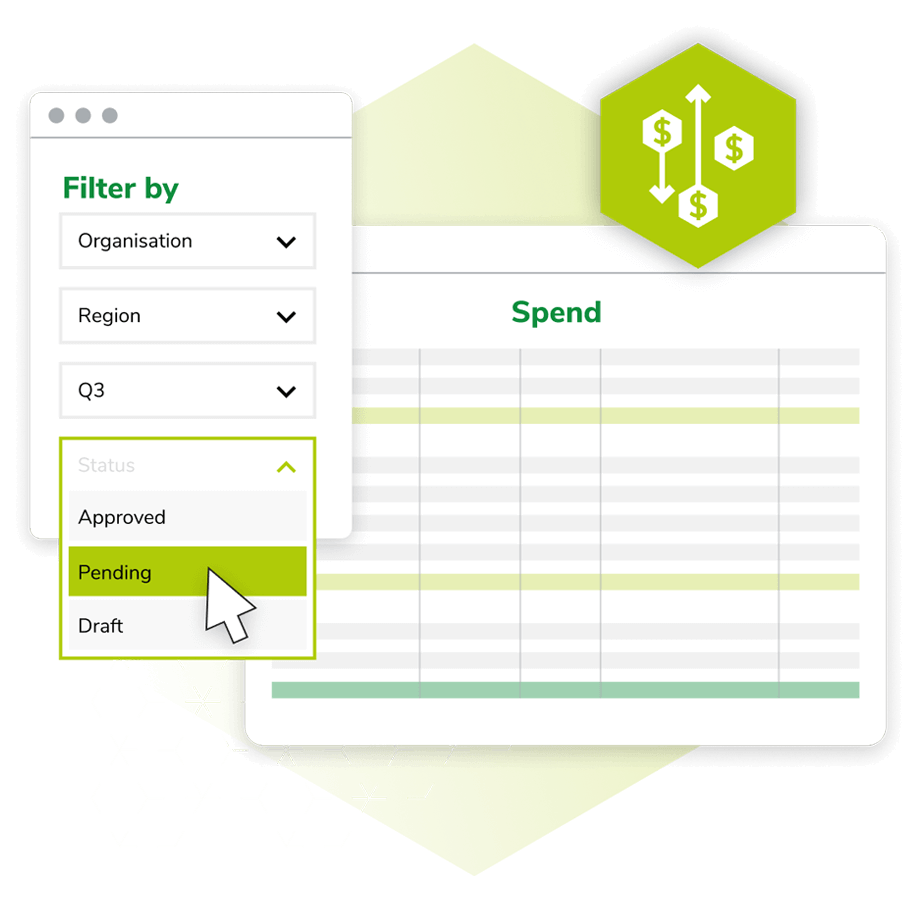
Finance departments often view marketing data with skepticism. By using platforms like Q:chi Harmoni, teams gain access to transparent, trustworthy insights that both sides can verify. This removes the guesswork from ROI and ensures that critical data is no longer trapped in static spreadsheets. Modern dashboards make complex data analysis accessible and verifiable.
2. Real-Time Budget Visibility
Waiting for end-of-quarter reconciliations is a recipe for inefficiency. Real-time visibility allows Finance and Marketing to see exactly where every dollar is working. This transparency gives leadership the confidence to pivot budgets toward high-performing channels instantly rather than waiting for a post-mortem report.
3. Speaking the CFO's Language
Marketing success is often buried in "vanity metrics" that don't resonate with the finance team. Alignment requires Marketers to translate campaign metrics into tangible business outcomes. When you prove how a campaign directly impacts the bottom line, Finance stops acting as a gatekeeper and becomes a primary champion for your budget.
4. Moving From Spend to Impact
By aligning the CMO, CFO, and CRO around a single source of truth, organizations stop arguing about the validity of the data and start focusing on results. A unified data environment ensures that everyone is looking at the same numbers, leading to faster decision-making and better strategic outcomes.
Conclusion: Harmony Drives Results
When Marketing and Finance work in harmony, the entire business wins. Alignment creates a culture of accountability that empowers Marketing to spend effectively and Finance to invest confidently.
If your marketing department isn't currently the most accountable team in your organization, it is time to bridge the gap.
To see how Q:chi ) Harmoni can unify your departments and turn your marketing into an accountable growth engine, contact our team today.
Published: 2nd February 2026
Last Edited: 9th February 2026
17th August 2026
1st June 2026

26th May 2026

22nd May 2026
14th May 2026











Get your copy of our free guide, The All-Seeing CMO. Find out how you can establish the control and visibility you need by knowing exactly what your team is planning, doing and spending.
Fill out the form to get your copy now.
Services
Q:chi 24/365 Support Q:chi Process Consultancy Q:chi Project Management Q:chi Software DevelopmentInsights
Qchi Insights Library Newsletter SubscriptionAI Consultancy
AI Consultancy Overview AI Consultancy Insights AI Exposure Check Contact AI Consultancy