I started my Marketing career in 2000, when the most technical thing most marketers had to deal with was writing a mailing brief or a print specification.
The internet was starting to become important to businesses back then, with most large companies having a website, but they tended to be static, ‘brochureware' type sites and were almost always looked after either by someone in the IT department, or by a specialist web marketing person.
Social media didn't appear until the mid-2000s and certainly didn't start to become important to businesses until quite a while after that. Email marketing became popular around the same time – and has gone in and out of fashion ever since!
The marketing landscape now could not look more different than it did back then, and if I'm really honest, I'm not sure if I'd have gone into marketing if I'd known how much of a technical, data-driven discipline it was going to turn out to be, some 20-odd years on.
There doesn't seem to be a definitive figure for the average age of a CMO or Marketing Director in 2023, but the data I've found suggests it's anywhere from 39 to 52 years old – which would mean that a significant majority of us are from a generation that started out in an offline, analogue world, and are now having to get our heads around a much faster-moving, highly technical marketing world.
I'd always thought of myself as reasonably technically minded, as I was an early adopter of home PCs, home internet and later on, social media. I'm also not too bad with data, as I started out as a direct marketer.
But the amount of data and technology that CMOs and marketing directors need to be able to get their head around now is another level of technical complexity. And for those of us that didn't ‘grow up' with martech and data being at the heart of absolutely everything, it can be pretty mind-boggling.
I don't mind admitting that I often find myself scratching my head when I'm trying to work out yet another bit of technology and whether it's something that's going to enhance the marketing my business is doing, and, if so, how it fits with everything else we've got going on.
Even if it does look like it's going to be helpful, it's likely to produce even more data – so then I've got to think about how best to use that alongside all the data and reports already coming out of the team.
Of course, we don't need to know how to operate every single bit of marketing technology, nor do we need to be data scientists.
But we do need to know how everything fits together. We need to know what our data is telling us, and how the campaigns our teams are planning and executing – often across a plethora of different channels and media – are performing.
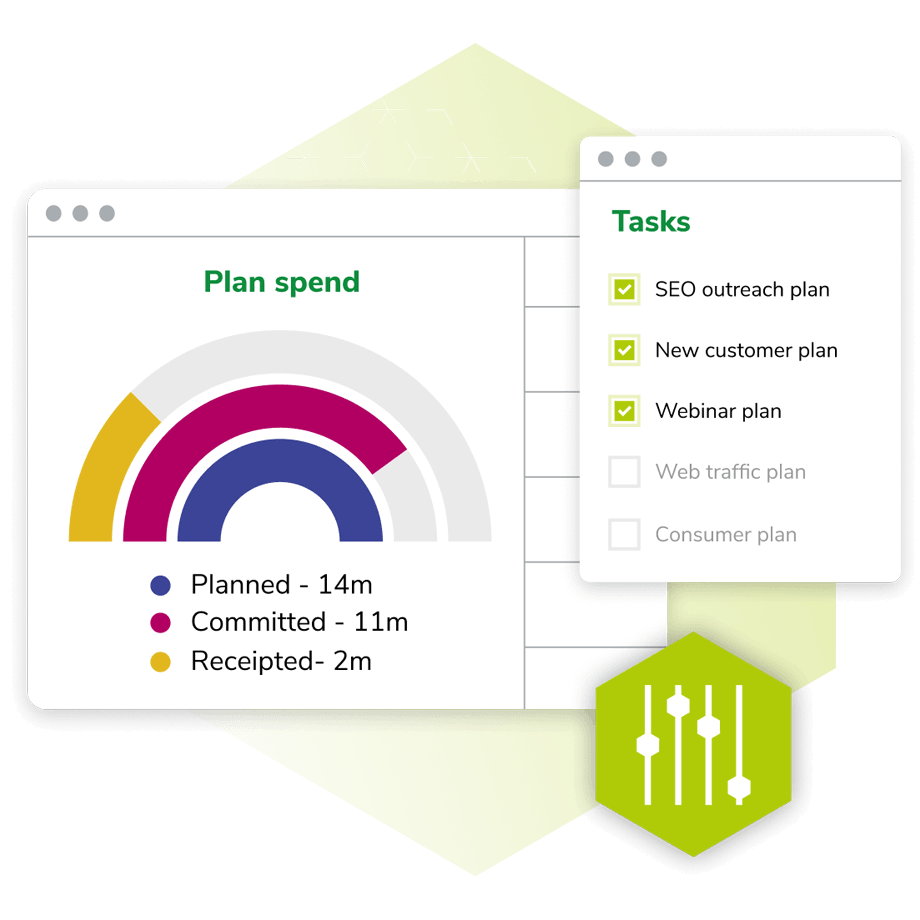
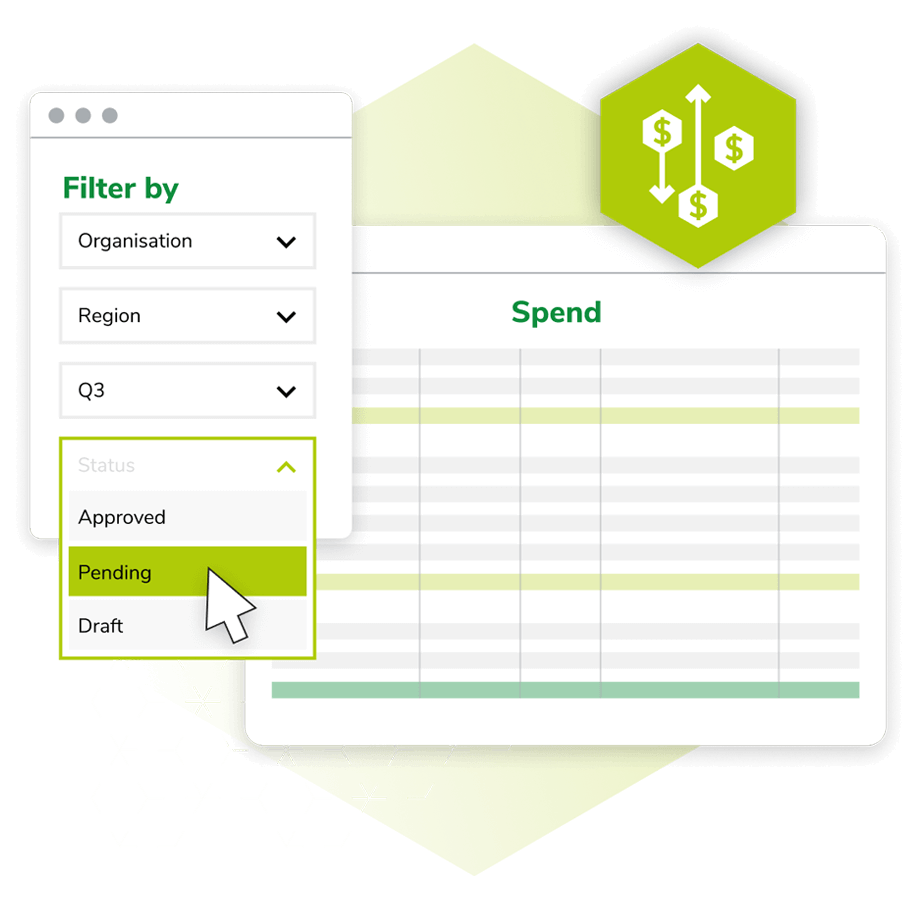
Most importantly of all, we need to know what our teams are spending across all of those different platforms so that we can keep a close eye on our budgets and see where our spend is really adding value to the bottom line.
We need to be able to talk authoritatively about our marketing activities with C-suite colleagues and report on the things that are important to the business.
Plus, we need to feel confident in leading teams who have used marketing technology throughout their careers and for whom it comes as second nature.
In conclusion, the marketing landscape has undergone significant changes over the years, and the technical complexity of the field has grown exponentially. For CMOs and Marketing Directors, understanding how everything fits together, what our teams are spending on different platforms and media, and what the data is telling us has become essential to succeed in this fast-paced industry.
As a result, a solution that brings together all the technology being used in our teams and provides a comprehensive overview of our marketing activities, plans and spend is necessary.
By embracing these tools, we can lead our teams with confidence, communicate effectively with colleagues, and ensure that our business is achieving its marketing goals.
To find out how Q:chi can help CMOs and Marketing Directors overcome these challenges and get clarity around what's going on across all the teams and technology platforms in their marketing function, request a demo using the button in the top right above.
Published: 9th May 2023
Last Edited: 12th June 2023
17th August 2026
1st June 2026

26th May 2026

22nd May 2026
14th May 2026











Get your copy of our free guide, The All-Seeing CMO. Find out how you can establish the control and visibility you need by knowing exactly what your team is planning, doing and spending.
Fill out the form to get your copy now.
Services
Q:chi 24/365 Support Q:chi Process Consultancy Q:chi Project Management Q:chi Software DevelopmentInsights
Qchi Insights Library Newsletter SubscriptionAI Consultancy
AI Consultancy Overview AI Consultancy Insights AI Exposure Check Contact AI Consultancy