Traditionally, the CMO role has been centred on strategic leadership, brand building, creative direction and customer engagement. The CMO set the vision, shaped the narrative and served as the voice of the customer within the C-suite. These responsibilities have not disappeared. But they are no longer sufficient on their own.
Boards, CFOs and CEOs are increasingly asking marketing leaders to demonstrate operational rigour alongside strategic thinking. They want to see that marketing investment is aligned with corporate objectives, that spend is tracked and auditable, that processes are efficient and scalable, and that marketing can prove its contribution to business outcomes with the same level of discipline expected of any other function.
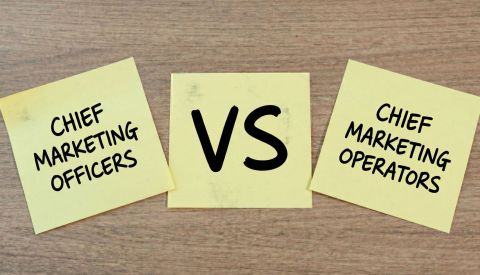
This is driving a shift that is becoming more visible across enterprise organisations. The CMO is evolving into something that might be better described as the Chief Marketing Operator.
What is a Chief Marketing Operator?
The Chief Marketing Operator is not a formal title that has replaced the CMO on business cards. It is a description of how the most effective marketing leaders are now operating in practice.
Where the traditional CMO focused primarily on strategy, vision and brand equity, the Chief Marketing Operator adds a layer of operational excellence to that foundation. This means taking direct responsibility for how marketing plans are executed, how budgets are managed, how spend is tracked, and how marketing activities connect to the financial and compliance frameworks of the wider organisation.
In practical terms, the Chief Marketing Operator prioritises several areas that the traditional CMO role did not always emphasise. The first is operational efficiency. This means ensuring that campaigns are planned, approved and executed through structured workflows rather than ad hoc processes. The second is financial accountability. Marketing investment needs to be demonstrably aligned with corporate strategic objectives, with clear visibility into what has been allocated, committed and spent. The third is cross-functional collaboration. Marketing no longer operates in isolation from finance, procurement and compliance. The Chief Marketing Operator connects these functions so they work from the same data and the same assumptions. The fourth is technology-led insight. Real-time dashboards, automated reporting and integrated systems replace manual consolidation and periodic reviews, giving leadership the data they need to make decisions quickly and confidently.
Why is this shift happening now?
Several factors are converging to accelerate this evolution. Marketing budgets are under more scrutiny than ever, and the tolerance for spend that cannot be clearly linked to outcomes is diminishing. The volume and complexity of marketing activity across global organisations has outgrown the manual processes that once supported it. Finance and procurement are demanding more structured, timely data from marketing than spreadsheets and email can deliver. And the technology now exists to provide the real-time visibility and operational control that makes the Chief Marketing Operator role viable.
There is also a defensive element to this shift. CMOs who cannot demonstrate operational control over their budgets and processes are increasingly vulnerable. Research consistently shows that CMO tenure is among the shortest in the C-suite. Marketing leaders who can show that their function operates with the same financial discipline and accountability as the rest of the business are in a far stronger position to retain their seat at the table and protect their budgets.
How Q:chi Harmoni supports the Chief Marketing Operator
Q:chi ) Harmoni is a marketing operations automation platform designed to provide the operational infrastructure that the Chief Marketing Operator role demands.
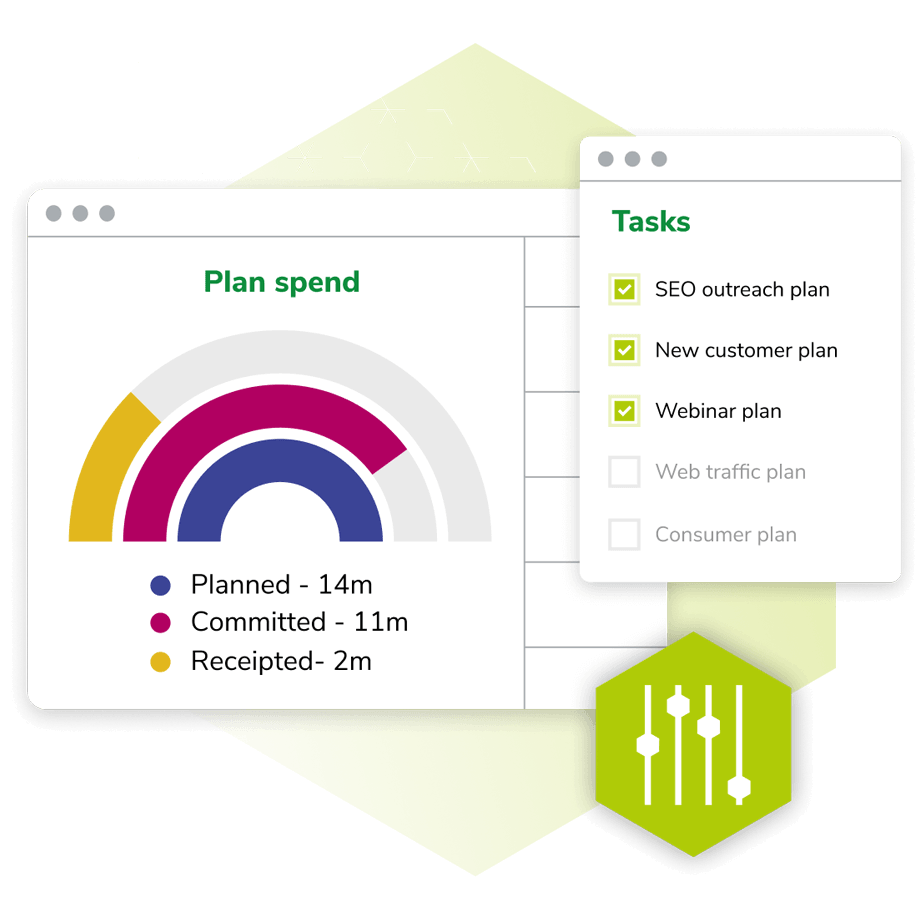
Harmoni delivers real-time visibility into what is being planned, executed and spent across every region, team and campaign. Marketing leaders can see at any point in the cycle exactly where their budget stands, which activities are in progress and how spend compares to plan, without waiting for manual reports or spreadsheet consolidation.
The platform streamlines workflows by connecting marketing planning and approvals with finance and procurement systems. Approval processes are structured and configurable rather than dependent on email chains, reducing delays and eliminating the inconsistencies that come with manual handling. Compliance requirements are built into the workflow rather than applied retrospectively, which reduces risk and saves time.
Every line of marketing spend is connected to the strategic objective it supports, giving leadership a clear, auditable link from plan to budget to spend to outcome. When the CFO asks where the investment went and what it delivered, the answer is available immediately and backed by data that finance can trust.
For marketing leaders navigating the shift from CMO to Chief Marketing Operator, the challenge is not choosing between strategic vision and operational control. It is having the infrastructure to deliver both. Harmoni provides that infrastructure, enabling marketing leaders to maintain the strategic leadership their organisations need while operating with the precision, transparency and accountability that the modern C-suite demands.
Frequently asked questions
What is a Chief Marketing Operator?
A Chief Marketing Operator describes a CMO who combines traditional strategic marketing leadership with operational excellence, financial accountability and cross-functional collaboration. Rather than focusing solely on brand and creative strategy, the Chief Marketing Operator takes direct responsibility for how marketing plans are executed, how budgets are managed and how marketing connects to finance, procurement and compliance.
Why is the CMO role evolving towards operations?
The CMO role is evolving because organisations are demanding greater financial accountability, operational efficiency and cross-functional alignment from marketing. Budgets are under more scrutiny, manual processes cannot scale with the complexity of global marketing operations, and boards expect marketing to demonstrate its contribution to business outcomes with the same rigour as other functions.
How can CMOs demonstrate operational control over marketing spend?
CMOs can demonstrate operational control by implementing systems that provide real-time visibility into budget allocation, commitments and actual spend across all regions and campaigns. Marketing operations automation platforms like Q:chi ) Harmoni replace manual spreadsheet consolidation with structured, audit-ready data that connects every line of spend to a strategic objective.
What is the difference between a CMO and a Chief Marketing Operator?
The traditional CMO role centres on strategic leadership, brand building, creative direction and customer engagement. The Chief Marketing Operator retains these responsibilities but adds a focus on operational efficiency, financial accountability, cross-functional collaboration with finance and procurement, and technology-led decision-making based on real-time data.
Published: 22nd April 2026
Last Edited: 26th June 2026
17th August 2026
1st June 2026

26th May 2026

22nd May 2026
14th May 2026










Get your copy of our free guide, The All-Seeing CMO. Find out how you can establish the control and visibility you need by knowing exactly what your team is planning, doing and spending.
Fill out the form to get your copy now.
Services
Q:chi 24/365 Support Q:chi Process Consultancy Q:chi Project Management Q:chi Software DevelopmentInsights
Qchi Insights Library Newsletter Subscription