Over the past twenty-five years, Q:chi has worked with enterprise channel teams across the world, and the pattern is remarkably consistent. A partner submits an MDF proposal by email. Someone logs it in a spreadsheet. The approval sits in an inbox for a week or more. The partner chases for a response. Eventually the green light comes through, by email. The partner runs the activity, then submits a claim with a receipt and a screenshot as proof of performance. Someone on the programme team checks it manually. Finance asks for more detail. The partner chases again.
The workflow is characterised by approval delays, disjointed communication, manual data handling and a lack of clarity at every stage. For a single partner running a single claim, this is manageable. But channel programmes do not operate at that scale.
Why do channel programme workflows break down at scale?
The challenges become acute when the process described above is multiplied across hundreds of partners, multiple programme types, several regions and different currencies. At this scale, the manual, email-driven workflow that works adequately for a handful of partners becomes a serious operational liability.
Fund balances are typically tracked in spreadsheets that are out of date before they are shared. The programme team updates the master file periodically, but between updates, nobody has a reliable view of where funds stand. Partners cannot check their own balances without contacting the programme team directly, which generates a constant stream of enquiries that consume time and resource.
Claims processing depends on email chains and, critically, on individual knowledge of programme rules. When the person who understands how a particular programme works is unavailable, claims stall. Validation of proof of performance is manual, inconsistent and time-consuming. Finance struggles to approve claims when the supporting evidence is scattered across emails and attachments rather than captured in a structured, auditable format.
Partners themselves have limited or no visibility into the status of their proposals, their fund balances or their eligibility for different programme types. From the partner's perspective, the programme feels slow, opaque and difficult to engage with.
The cumulative effect of these problems is significant. Partners disengage from programmes that are too cumbersome to participate in. Marketing development funds go unspent because the effort of claiming exceeds the perceived benefit. Programme teams spend the majority of their time on administration rather than on the strategic partner relationships that actually drive growth. And there is no consistent audit trail from fund allocation through to proof of delivery, which creates difficulties for finance and compliance.
What does an effective channel programme workflow look like?
Organisations that run their channel programmes effectively share several characteristics. Partners can access programme information, check their fund balances, submit proposals and track claims through a self-service portal rather than through email and phone calls. Approval workflows are automated and configurable, with rules that reflect the specific requirements of each programme type, partner tier and region. Claims validation is structured and, increasingly, supported by AI-powered tools that can assess proof of performance and flag anomalies before they reach finance.
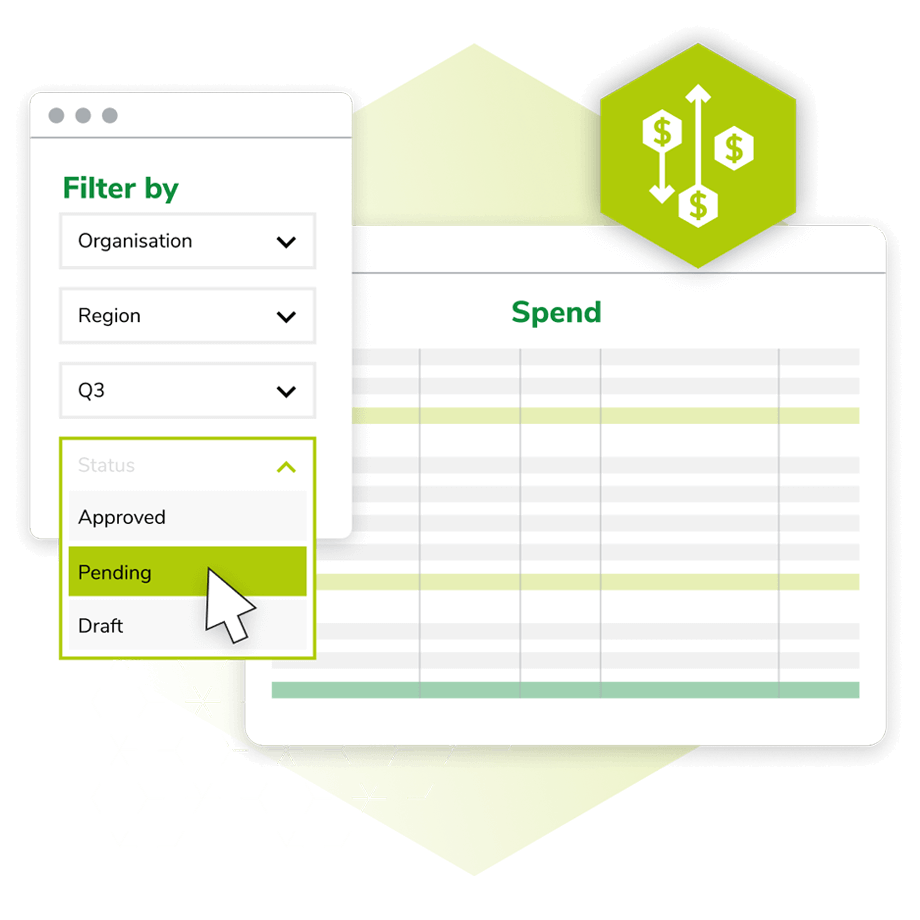
Fund tracking is real-time, covering every programme type, partner tier, region and currency. This means the programme team always knows where funds stand, which partners are active and which funds are at risk of going unspent. Finance and compliance have access to a complete audit trail from the original fund allocation through to the final proof of delivery, which simplifies reporting and reduces risk.
The most important outcome of an effective workflow is partner engagement. When partners find it easy to participate in a programme, they are more likely to use their funds, more likely to submit claims promptly and more likely to view the programme as a genuine incentive rather than an administrative burden. This directly affects the return on the organisation's channel investment.
How Q:chi Affiniti transforms channel programme management
Q:chi ) Affiniti is a channel partner incentive programme automation platform that digitises every step of the programme lifecycle. It replaces the fragmented combination of spreadsheets, email and manual processes that most organisations rely on with a single, structured platform.
Partners get a self-service portal where they can view their activities and benefits, submit proposals and claims, upload proof of performance and track progress in real time. This eliminates the fund balance enquiries, status chasing and email back-and-forth that consume programme team resource under a manual workflow.
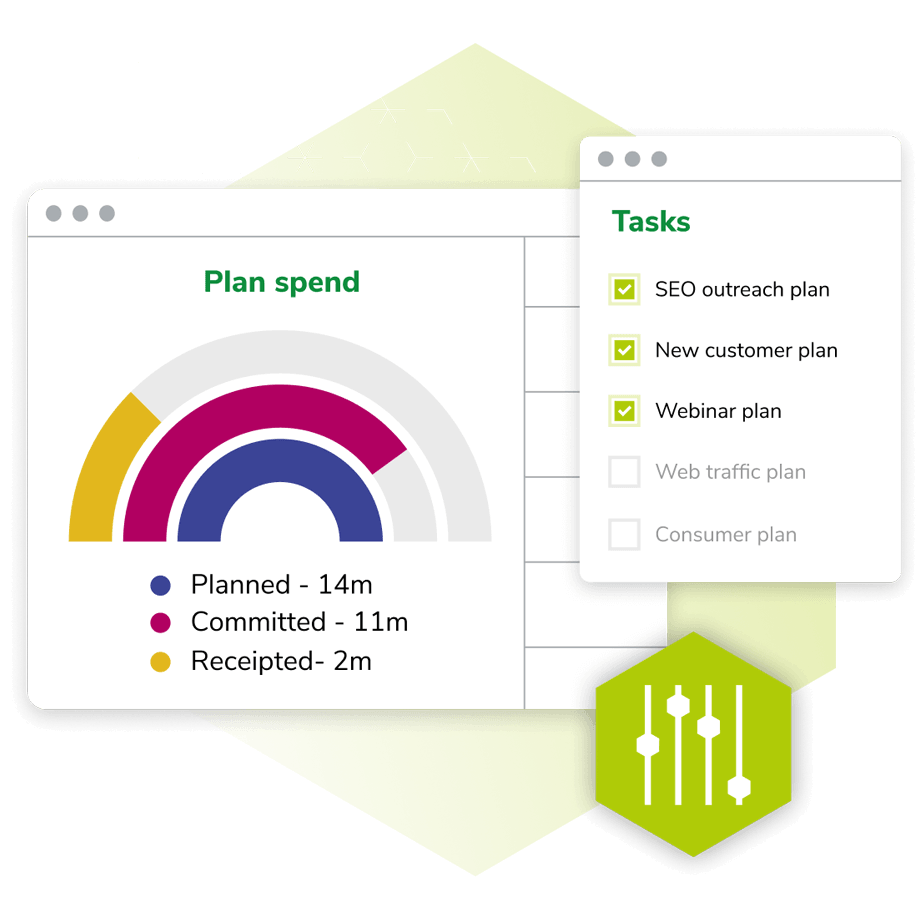
Programme teams get automated workflows with configurable approval rules that reflect the specific requirements of each programme type. AI-powered validation assesses proof of performance and flags anomalies before claims reach finance, reducing the manual review burden and improving consistency. Fund tracking is real-time across every programme type, partner tier, region and currency, giving the team a clear, current view of fund utilisation at all times.
Finance and compliance benefit from a full audit trail that connects every fund allocation to its corresponding activity and proof of delivery. This provides the transparency needed for accurate reporting, accruals and regulatory compliance without requiring manual data assembly.
The organisations getting the most from their channel investments are those whose partners find it easy and worthwhile to engage, and whose leadership can see exactly where every pound of MDF is going and what it is delivering. When the workflow supports rather than hinders participation, fund utilisation improves, partner satisfaction increases and the programme delivers the strategic value it was designed to create.
Frequently asked questions
Why do channel partner programme workflows break down at scale?
Channel programme workflows typically break down when the volume of partners, programme types, regions and currencies exceeds what manual, email-driven processes can support. Spreadsheet-based fund tracking becomes unreliable, claims processing depends on individual knowledge rather than structured systems, and partners lose visibility into their balances and claim status. The result is operational inefficiency, partner disengagement and compliance risk.
What is channel partner incentive programme automation?
Channel partner incentive programme automation refers to software platforms that digitise the end-to-end lifecycle of partner programmes, including fund allocation, proposal submission, approval workflows, claims processing, proof-of-performance validation and financial reporting. Automation replaces manual spreadsheet and email-based processes with structured, real-time systems that improve efficiency, partner experience and auditability.
How can organisations improve MDF fund utilisation?
Improving MDF fund utilisation requires making it easier for partners to engage with the programme. This means providing self-service access to fund balances and claim submission, reducing approval delays through automated workflows, and giving partners real-time visibility into their eligibility and claim status. When the friction of participating is reduced, partners are more likely to use their allocated funds and submit claims promptly.
What is proof-of-performance validation in channel programmes?
Proof-of-performance validation is the process of verifying that a partner has completed the marketing activity they were funded to deliver. Traditionally this is done manually by reviewing receipts, screenshots and other evidence submitted by the partner. AI-powered validation, as used in platforms like Q:chi ) Affiniti, automates this process by assessing submitted evidence against programme rules and flagging anomalies for review, improvin
Published: 14th May 2026
Last Edited: 26th June 2026

17th August 2026

1st June 2026

26th May 2026
22nd May 2026
5th May 2026









Get your copy of our free guide, The All-Seeing CMO. Find out how you can establish the control and visibility you need by knowing exactly what your team is planning, doing and spending.
Fill out the form to get your copy now.
Services
Q:chi 24/365 Support Q:chi Process Consultancy Q:chi Project Management Q:chi Software DevelopmentInsights
Qchi Insights Library Newsletter SubscriptionPerspectives
Q:chi for Chief Marketing Officers Q:chi for Chief Revenue Officers Q:chi for Financial Directors Q:chi for Channel Partners Q:chi for Marketing Operations Q:chi for MarketersAbout Q:chi
Find out more About Q:chi Read The Q:chi Story Q:chi Harmoni Pricing Q:chi Deployment Q:chi Privacy Policy Q:chi Sustainability Statement Q:chi Modern Slavery Statement Contact Q:chi Here