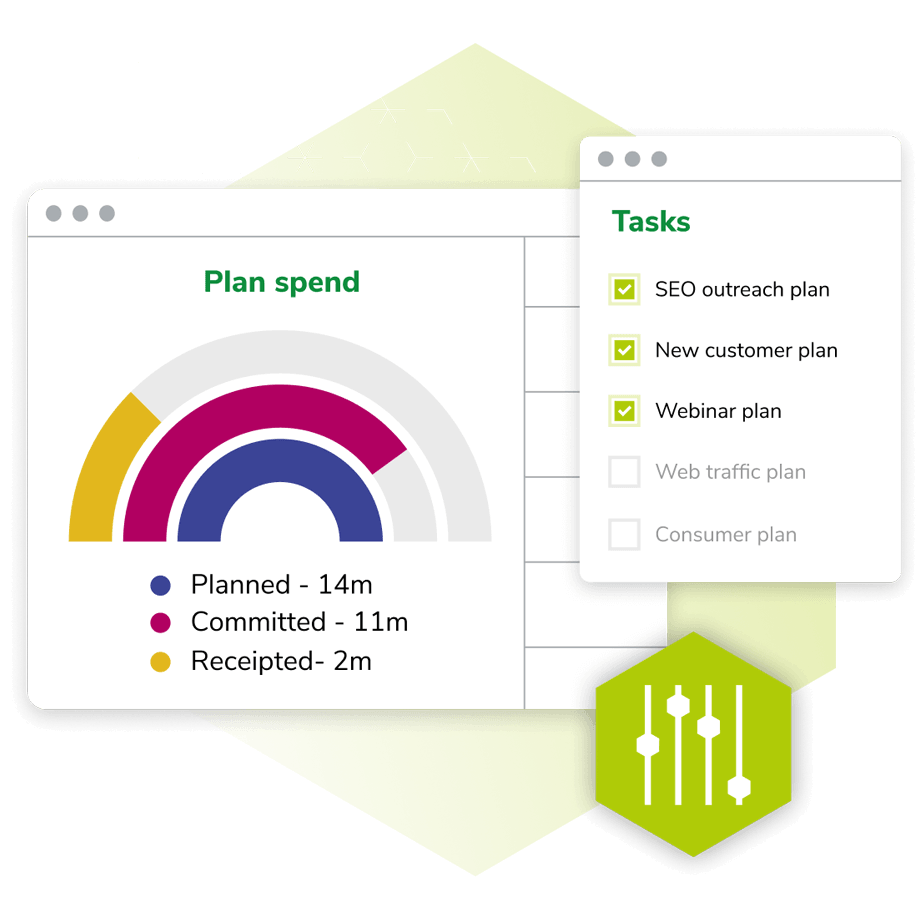
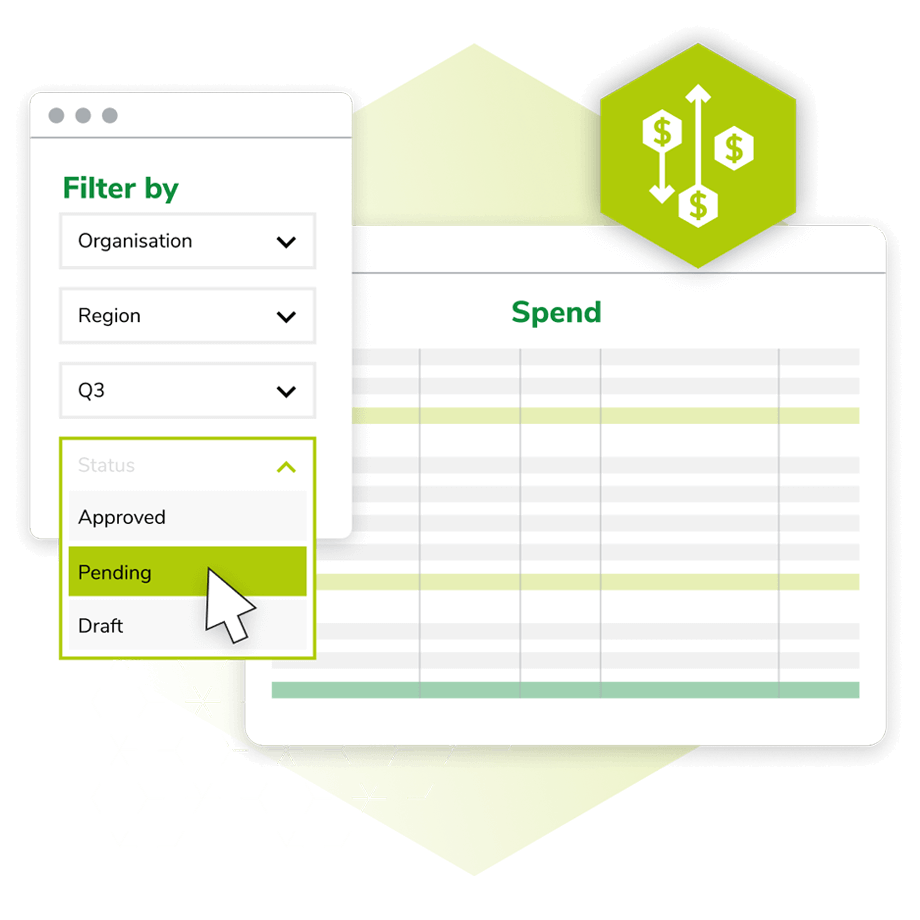
There are a handful of questions that every CMO needs to be able to ask. How much did we spend on media last quarter? Which agencies are delivering the best return? How does performance in EMEA compare to APAC? How much media budget have we planned versus committed for this quarter?
These are not complex analytical requests. They are fundamental questions about where marketing investment is going and whether it is working. And yet, in most global organisations, getting clear answers takes far longer than it should.
This is not a reflection on the marketing operations team. The people doing this work are highly capable and deeply knowledgeable about their organisation's marketing activity. The problem is that the data they need to answer these questions is scattered across regional teams, agency reports, spreadsheets and finance systems, each with its own format, its own categorisation and its own update cycle. No matter how skilled the team, they cannot produce a consolidated, accurate answer quickly when the underlying data is fragmented across dozens of sources.
Why does it take so long to get a clear view of media spend?
When a CMO or CFO asks for a consolidated view of media spend, the request sets off a chain of manual work that falls on the marketing operations team. They contact regional marketing leads, who in turn liaise with their media agencies for the latest data. That data arrives in different formats, with different categorisation structures and at different levels of detail. The operations team then has to consolidate it, standardise it, cross-check it against what finance has on record, and package it into something presentable.
This process can take days. In larger organisations with multiple regions and agencies, it can take weeks. By the time the final report reaches the CMO's desk, the numbers reflect where the business was, not where it is now. The opportunity to act on the insight has often passed.
This delay is not caused by a lack of competence or urgency within the operations team. It is the cumulative result of how media spend data is managed across most global organisations. Each region maintains its own records. Each agency reports in its own format. Finance tracks costs through a different system. Marketing sees the activity but not the full financial picture. Nobody has a joined-up, real-time view of the whole position.
What is the cost of fragmented media spend management?
The hidden cost of this fragmentation extends well beyond the time spent on manual consolidation.
Strategic investment decisions are made on lagging, incomplete data. When the CMO decides where to increase or decrease media spend, those decisions should be based on current performance across all markets. If the data is weeks old and manually assembled, there is a meaningful risk that investment is being directed based on an outdated picture.
Financial accuracy is compromised. Finance teams are asked to produce accruals for media spend based on estimates rather than confirmed figures, because marketing's data is not structured or timely enough to provide what finance needs. This creates difficulties at month-end and quarter-end, and can lead to budget surprises that damage credibility with the board.
Regional comparison is nearly impossible. When every market reports media spend in a different format with different classifications, there is no reliable way to assess which regions are performing most effectively or where investment should be redirected. The data exists, but it is not structured consistently enough to support meaningful analysis.
Alignment between media agency spend and marketing strategy is difficult to verify. Without a clear, auditable connection from the original media plan through to actual spend and outcomes, nobody can confidently say whether agency activity is delivering against the strategy it was funded to support.
What do marketing operations teams need to deliver the answers?
What most CMOs want is deceptively simple: show me my data. Show me what we are spending, where we are spending it, and whether it is delivering against our strategy. Marketing operations teams understand exactly what is being asked. The challenge is that they are expected to deliver these answers using tools and data structures that were never designed for the job.
To answer these questions quickly and accurately, marketing operations teams need access to structured, connected, real-time data that covers every region, every agency and every category of media spend. It requires standardised categorisation so that regional performance can be compared meaningfully. It requires a clear link from media plan to budget to spend to outcome, so that leadership can trace every pound of investment back to the strategy behind it. And it requires finance and procurement to be working from the same data as marketing, so that the conversations about accruals, compliance and budget allocation are based on a shared source of truth.
When these conditions are met, the marketing operations team can answer the CMO's questions in minutes rather than weeks. Leadership can make investment decisions based on current data. Finance can produce accurate accruals without chasing numbers. And the relationship between marketing, finance and procurement improves because all three functions trust the data they are working from.
How Q:chi Harmoni equips marketing operations teams with the right tools
Q:chi ) Harmoni is a marketing operations automation platform that provides on-demand visibility into global media spend. Rather than relying on manual consolidation from multiple regional spreadsheets and agency reports, Harmoni captures every region, every agency and every category of media spend in a single, integrated platform.
Real-time dashboards show budget allocation versus actual spend by region, agency and category, giving marketing leadership a current, accurate picture at any point in the cycle. Data is standardised across every market, so regional performance can be compared side by side for the first time. Every line of media spend is connected to the media plan and budget it was allocated from, providing a clear, auditable trail from strategy through to outcome.
Finance and procurement work from the same platform as marketing, eliminating the back-and-forth that slows decision-making and ensures that accruals, reconciliation and compliance are built on accurate, structured data. Integration with ERP and finance systems means that the data flows automatically rather than being assembled manually at month-end.
The organisations that can answer basic questions about media spend quickly are the ones making smarter, faster investment decisions. When marketing operations teams have the right tools, they can focus their expertise on strategic analysis and insight rather than spending days on manual data consolidation. The problem has never been the people. It has always been the infrastructure they have been asked to work with.
Frequently asked questions
Why do basic questions about media spend take so long to answer?
In most global organisations, media spend data is fragmented across regional teams, agency reports, spreadsheets and finance systems. Each source uses different formats and categorisation, so producing a consolidated view requires manual collection, standardisation and cross-checking. Marketing operations teams have the expertise to do this work, but the fragmented data landscape means the process can take days or weeks, and the data is often outdated by the time it reaches leadership.
How can organisations get real-time visibility into global media spend?
Real-time visibility requires centralising all media spend data in a single platform where it is captured, categorised and updated consistently across every region and agency. Marketing operations automation platforms like Q:chi ) Harmoni replace manual spreadsheet consolidation with structured, on-demand reporting that marketing, finance and procurement can all access and trust.
Why is regional media spend comparison so diffic
Published: 22nd May 2026
Last Edited: 26th June 2026

17th August 2026

1st June 2026

26th May 2026
14th May 2026
5th May 2026











Get your copy of our free guide, The All-Seeing CMO. Find out how you can establish the control and visibility you need by knowing exactly what your team is planning, doing and spending.
Fill out the form to get your copy now.
Services
Q:chi 24/365 Support Q:chi Process Consultancy Q:chi Project Management Q:chi Software DevelopmentInsights
Qchi Insights Library Newsletter SubscriptionPerspectives
Q:chi for Chief Marketing Officers Q:chi for Chief Revenue Officers Q:chi for Financial Directors Q:chi for Channel Partners Q:chi for Marketing Operations Q:chi for MarketersAbout Q:chi
Find out more About Q:chi Read The Q:chi Story Q:chi Harmoni Pricing Q:chi Deployment Q:chi Privacy Policy Q:chi Sustainability Statement Q:chi Modern Slavery Statement Contact Q:chi Here